Veneers Can Change Your Smile
One of the most common cosmetic dentistry procedures for those who want to change the appearance of their smiles is veneer placement. By covering the front surface of teeth, these incredibly thin, custom-made shells improve their appearance by fixing a variety of flaws such discolouration, chipping, gaps, and misalignment. Veneers are a popular choice for people trying to improve their appearance and confidence because they provide a minimally intrusive way to obtain a flawless, natural-looking smile.
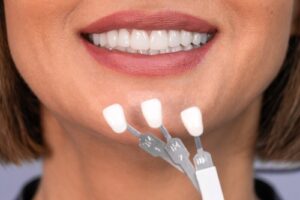
Veneers are expertly constructed to match the size, shape, and color of your natural teeth using either composite resin or porcelain. The durability, stain resistance, and ability to replicate the translucence of natural enamel make porcelain veneers particularly valuable. Even though composite veneers are less costly, they nevertheless yield great results and are frequently finished in one visit. Based on your unique needs, tastes, and financial situation, your dentist will assist you in selecting the best course of action.
Usually, a consultation precedes the veneer procedure. Your Provo dentist will examine your teeth, talk with you about your aesthetic preferences, and decide if veneers are the best course of action during this appointment. Before the surgery, it is crucial to have healthy teeth and gums since underlying dental conditions such as cavities or gum disease need to be treated. Your dentist will create a customized treatment plan for your particular smile after determining that you are a good fit.
To guarantee a good fit and a natural-looking veneer, a tiny amount of enamel must be removed from the surface of your teeth. Since only a small layer is shaved off, this procedure is minor and typically painless. To create porcelain veneers, your dentist will take impressions of your teeth, which will then be sent to a dental lab for careful fabrication. While you wait for the final veneers to be made, temporary veneers may be applied to safeguard your teeth.
Bonding the tailored veneers to your teeth is the next step once they are prepared. To guarantee the ideal fit and appearance, your dentist will meticulously place each veneer, making exact changes as needed. After that, a powerful dental glue is used to firmly bond the veneers to your teeth. The veneers are secured in place by hardening the adhesive using a specialized curing light. The end effect is a smooth, brilliant smile that, with the right maintenance, can last for many years.
The adaptability of veneers is one of its main benefits. They can cure a variety of aesthetic issues, such as deeply discolored teeth that don’t respond well to whitening procedures. Without the need for braces, veneers are a great way to address minor alignment problems and give the illusion of straighter teeth. They can also repair worn-down, broken, or chipped teeth and fill in spaces between teeth, giving your smile a consistent, polished appearance.
Veneers are easy to maintain and require no more attention than natural teeth. Maintaining the health of your veneers and the underlying teeth requires twice-day brushing with a non-abrasive toothpaste, daily flossing, and routine dental examinations. Even though veneers are incredibly resilient, it’s crucial to prevent damage by not using your teeth as tools or biting into hard materials like ice. Composite veneers usually last five to seven years, but porcelain veneers can last ten to fifteen years or longer with the right maintenance.
In addition to improving the way your teeth look, veneers also increase your self-esteem and general quality of life. Whether in social circumstances, business settings, or personal relationships, a stunning grin may leave a lasting impact. Many people find that their new smile encourages them to smile more often, creating a positive ripple effect in their daily lives.
Veneers are a cosmetic procedure, but they can significantly affect your emotional health and sense of self. Veneers provide a revolutionary solution for everyone who has ever felt self-conscious about their teeth, enabling them to feel more at ease and secure in their skin. You can get the smile of your dreams and reap the rewards for years to come if you and your dentist work closely together.
Use Dentures to Restore Your Smile
For those who have lost part or all of their natural teeth, dentures are a tried-and-true remedy. By replacing lost teeth, these specially constructed gadgets can improve your ability to eat, communicate, and maintain facial structure while also making your smile look better. More comfortable and natural-looking than ever, modern dentures provide a useful and reasonably priced solution for those who want to restore their dental functionality and self-esteem.
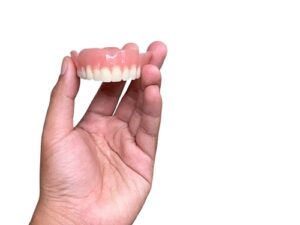
Complete and partial dentures are the two primary categories of dentures. Partial dentures are best suited for people who still have some healthy natural teeth, but full dentures are utilized when all of the teeth in the upper or lower arch are lost. For a secure, comfortable fit and a natural look, both varieties are specially made to fit your mouth. Today’s dentures are made of long-lasting materials like porcelain and acrylic that are intended to resemble natural teeth in both appearance and feel.
Your Pasadena dentist consultation is the first step in the denture process. Your dentist will assess your dental health, talk with you about your objectives, and choose the best kind of denture for you during this appointment. Your dentist will design a plan to guarantee a seamless transition to dentures if you have any remaining teeth that need to be extracted. After a tooth extraction, instant dentures may occasionally be made, enabling you to leave the office with a full smile.
Your dentist will make an accurate mold by taking impressions of your gums and any remaining teeth after your mouth is ready. Your bespoke dentures are made by qualified technicians in a dental laboratory using this mold. Your dentures are guaranteed to fit comfortably and to appear natural thanks to the construction procedure. To guarantee optimal comfort and functionality, your dentist will meticulously alter your dentures as necessary once they are prepared.
There may be an adjustment phase when wearing dentures, particularly if you’ve never worn them before. As you adjust to the device, it’s normal to feel a little uncomfortable or have trouble speaking and chewing. But these difficulties usually go away with practice and time. As you get used to wearing your dentures, your dentist can advise you to start with softer meals and then gradually resume harsher textures.
Maintaining the durability and hygiene of your dentures requires proper care. After meals, they should be taken off and cleaned to get rid of plaque and food particles. Daily denture brushing with a soft brush and non-abrasive cleaner keeps your dentures clean and helps avoid stains. Dentures should be soaked in water or a denture cleaning solution when not in use to avoid warping. To maintain proper dental hygiene, you should also wipe your tongue, gums, and any remaining teeth every day.
Dentures can greatly enhance your quality of life in addition to providing aesthetic advantages. They enable you to confidently participate in conversations and savor your favorite dishes by regaining your ability to chew and talk. Furthermore, dentures avoid the sunken appearance that frequently follows tooth loss by supporting the face muscles. This might improve your overall facial structure and give you a more youthful appearance.
Dentures with implants are a great choice for people who want more security and stability. Dental implants, which are surgically inserted into the mandible, serve as anchors for these dentures. A firmer fit is offered by implant-supported dentures, which lowers the possibility of slippage or shifting, particularly when speaking or eating. Additionally, they aid in maintaining the jawbone by halting bone loss that conventional dentures may cause.
Despite their great durability, dentures may require yearly adjustments or replacements as your mouth changes over time. To make sure your dentures continue to fit comfortably and work as intended, it’s critical to schedule routine dental exams. Your dentist can make the required adjustments to restore the fit and functionality of your dentures if they start to come loose, irritate you, or exhibit wear.
A whole, functional grin can be restored using dentures, which are a dependable and efficient solution. Working with your dentist to choose the best course of action, whether you require complete or partial dentures, can help you reap the rewards of better oral health, more attractive appearance, and rekindled confidence. Dentures can give you a stunning, long-lasting smile for many years to come if you take good care of them.
The Value of Proper Dental Hygiene
Maintaining a bright, healthy smile and avoiding a variety of oral and systemic health problems are made possible by practicing good dental hygiene, which is the cornerstone of general health and well-being. Brushing your teeth is only one aspect of good dental hygiene; other practices include daily routines, routine professional care, and lifestyle choices that support oral health. By taking preventative measures to maintain your teeth and gums, you can avoid future discomfort, expensive procedures, and health issues.
The habit of brushing your teeth at least twice a day is fundamental to oral hygiene. Plaque, germs, and food particles that build up on your teeth and along the gum line can be eliminated by using a soft-bristled toothbrush and fluoride toothpaste. Throughout the day, plaque—a sticky layer of bacteria—forms. If untreated, it can solidify into tartar, which needs to be removed by a specialist. Because flossing gets rid of debris and plaque from places between teeth that a toothbrush cannot reach, it is equally important to floss every day. Gum disease, cavities, and foul breath can result from breaking these simple routines.
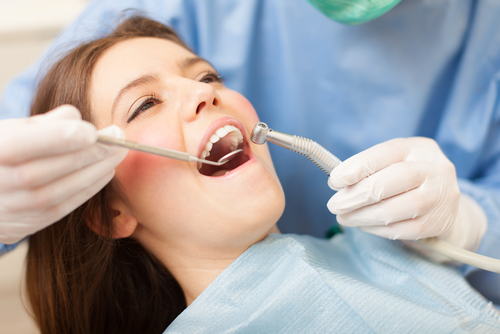
In order to maintain the best possible oral health, routine dental examinations and cleanings are essential. Dental professionals and hygienists are able to spot early warning indications of issues including gum disease, tooth decay, and oral cancer that might not be apparent or show symptoms immediately away. In order to maintain your teeth looking their best and preventing stains, professional cleanings remove hard tartar and polish them. Additionally, these appointments offer a chance to talk about issues, get tailored guidance, and remain up to date on the most recent developments in oral health. Be sure to scheudle your checkup at the office of your regular Provo dentist.
Additionally, dental hygiene is greatly influenced by a nutritious diet. Foods that are heavy in sugar and starch encourage the growth of germs that cause gum disease and cavities. You may reduce the chance of decay and strengthen your teeth and gums by eating a balanced diet full of fruits, vegetables, lean meats, and dairy products. Throughout the day, drinking lots of water helps to rinse away bacteria and food particles, keeping your mouth hydrated and lowering the risk of dry mouth, which can worsen oral health issues.
Gum health is a basic yet frequently disregarded component of dental hygiene. Plaque accumulation causes inflammation of the gums, which is the first sign of gum disease, also known as periodontal disease. With the right treatment, gingivitis, which is in its early stages, can be reversed and cause redness, swelling, and bleeding. If treatment is not received, it may develop into periodontitis, a more serious ailment that harms the bone and tissues that support the teeth. Brushing and flossing should be done regularly to maintain healthy gums. Regular dental checkups are also necessary to check for any indications of gum disease.
Negative habits that can affect dental hygiene include smoking and binge drinking. For instance, smoking can cause oral cancer, discolor teeth, and raise the risk of gum disease. Drinking too much alcohol can dry out the mouth and erode tooth enamel, which increases the risk of dental decay. Your oral health will significantly improve and the risk of major complications will decrease if you stop these habits or use them less frequently.
For many, self-confidence and dental hygiene are linked. Maintaining a healthy grin can help you feel better about yourself, interact with people more effectively, and change how other people see you. On the other hand, tooth discoloration, foul breath, and other dental problems that could be uncomfortable or embarrassing can result from inadequate oral care. Taking the time and making the effort to keep your mouth healthy is not just about avoiding issues but also about feeling your best at all times.
Early instruction on the value of dental hygiene lays the groundwork for lifelong healthy practices. Making routine dental visits enjoyable for children and teaching them how to brush and floss correctly are important tasks for parents. As they mature, their dental health can be further supported by promoting a nutritious diet and avoiding sugary snacks.
Including oral hygiene in your daily routine is an easy yet effective strategy to improve your quality of life and safeguard your health. You can protect your teeth and gums and improve your general health by making dental hygiene a priority. A healthier, more radiant future can result from taking care of your smile now.
Sleep Apnea: Origins, Signs, and Management
A common but dangerous sleep problem that interferes with breathing while you’re asleep is sleep apnea. Breathing pauses that last anywhere from a few seconds to a minute are caused by this disease, which happens when the airway gets partially or closed. If unchecked, these disruptions can cause a variety of health issues and frequently contribute to poor sleep quality.
Obstructive sleep apnea (OSA), central sleep apnea (CSA), and complex sleep apnea syndrome are the three primary forms of sleep apnea. The most prevalent type, OSA, is brought on by a physical obstruction of the airway, frequently as a result of the soft tissues in the throat collapsing. When the brain does not deliver the right signals to regulate breathing, CSA happens. Obstructive and central sleep apnea are combined to form complex sleep apnea, also known as mixed apnea.

Loud snoring is one of the main signs of sleep apnea, albeit not all snorers have the disorder. Additional typical symptoms include choking or gasping when sleeping, increased daytime sleepiness, headaches in the morning, difficulty focusing, irritability, and waking up with a sore throat or dry mouth. Many people don’t realize they have sleep apnea unless a family member or spouse notices these symptoms while they’re asleep.
Sleep apnea can occur as a result of a number of risk factors. Among these is obesity, which has a high correlation with OSA because it can compress the airway due to excess fat around the neck. Age (middle-aged and older persons are more likely to have sleep apnea), gender (men are more likely to have it), family history, smoking, alcohol consumption, and certain medical disorders including diabetes and high blood pressure are additional risk factors.
Sleep apnea can have detrimental effects on general health if left untreated. It has been connected to a higher risk of high blood pressure, type 2 diabetes, heart disease, and stroke. The cardiovascular system may be strained by the frequent breathing pauses, which can also lower blood oxygen levels. Sleep apnea can impact mental health in addition to physical health, resulting in memory issues, anxiety, and despair.
Thankfully, there are a number of treatment options for sleep apnea, depending on how severe the issue is. Continuous positive airway pressure, or CPAP, therapy is the most widely used treatment for moderate to severe OSA. To maintain the airway open while you sleep, you must wear a mask that is attached to a device that continuously pumps air into it. Even if it works, CPAP therapy needs to be used consistently, and patients may need some time to get used to it.
Changing one’s lifestyle may be enough for mild cases of OSA. These include sleeping on one’s side instead of one’s back, avoiding alcohol before bed, stopping smoking, and decreasing weight. Oral appliances that move the jaw and tongue to maintain an open airway are helpful for certain patients. Often more comfortable and portable than CPAP machines, these devices are custom-fitted by an orthodontist or dentist.
Patients who don’t respond to various therapies could be advised to have surgery. Uvulopalatopharyngoplasty (UPPP) is one procedure that widens the airway by removing extra tissue from the throat. In more severe situations, the jawbones are moved to create greater airway space using maxillomandibular advancement surgery. Hypoglossal nerve stimulation is another cutting-edge technique that involves implanting a device to stimulate the tongue muscles and stop them from folding into the airway.
Regular follow-ups with a healthcare professional are essential for controlling sleep apnea in addition to medicinal therapies. The illness is successfully managed by tracking improvement and modifying medication as necessary, which enhances general health and sleep quality.
Sleep apnea can raise the risk of major health problems and drastically lower quality of life if treatment is not received. The first step to better sleep and overall wellbeing is identifying the symptoms and getting medical help. The majority of persons with sleep apnea may effectively manage their disease and lead better, more peaceful lives because to the variety of treatments that are currently accessible.
Achieving a Straighter Smile with Invisalign
By providing a discrete, practical, and efficient substitute for traditional braces, Invisalign has revolutionized the way individuals approach orthodontic treatment. Invisalign, which was created with cutting-edge technology, gradually straightens teeth using a set of transparent, specially manufactured aligners. Teenagers and adults who wish to straighten their teeth without the unsightly wires and brackets that come with metal braces are choosing it because of its creative approach.
A consultation with a licensed dentist or orthodontist is the first step in the Invisalign procedure. Using cutting-edge 3D imaging technology, a comprehensive digital scan of the patient’s teeth is obtained during this session. By producing an accurate map of the teeth, this scan enables the dentist to construct a personalized treatment plan. Before beginning treatment, patients can even see a preview of their anticipated outcomes, which helps them picture their new smile.
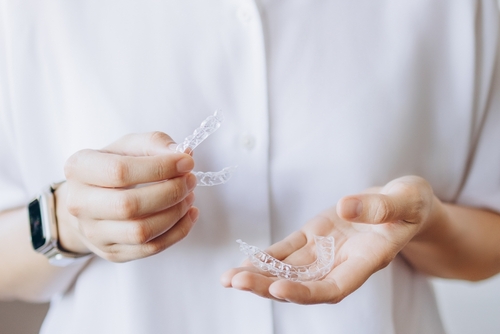
Following the fabrication of the aligners, patients are given a set of trays to wear in a particular order. Gentle pressure is applied by each slightly different set of aligners to move teeth into the desired position. Depending on the dentist’s advice, aligners should be changed every one to two weeks and worn for 20 to 22 hours every day. Because the aligners are almost undetectable, they are a great choice for people who desire a discrete yet polished appearance.
The removable nature of Invisalign is one of its main advantages. In contrast to traditional braces, Invisalign aligners are removable for brushing, flossing, eating, and drinking. Patients can continue their oral hygiene regimen thanks to this function, which eliminates the hassle of avoiding wires and brackets. Invisalign is a handy and lifestyle-friendly solution since it allows patients to enjoy their favorite foods without worrying about any restrictions.
From minor cases of misalignment to more complicated difficulties including overbites, underbites, crossbites, and gaps between teeth, Invisalign can be used to correct a variety of dental disorders. Although Invisalign cannot be used in every situation, technological developments have increased the number of patients who can take advantage of this ground-breaking treatment. In order to get the best outcomes, Invisalign may occasionally be used in conjunction with other therapies for people who require extensive orthodontic therapy.
In order to track their progress and get new aligners, patients usually see their dentist or orthodontist every six to eight weeks during treatment. Invisalign is a time-efficient solution for people with hectic schedules because these consultations are typically brief and involve fewer changes than traditional braces. Most patients get the results they want in 12 to 18 months, while the typical treatment time for Invisalign varies based on the complexity of the case.
The comfort of Invisalign is one of its best qualities. Because the aligners are composed of smooth, BPA-free plastic, the cheeks and gums won’t become irritated as they can with metal braces. As teeth gradually shift, the snug and secure fit guaranteed by the custom-fit system also helps to minimize discomfort. When transitioning to a new set of aligners, some patients may feel a slight pressure, although this feeling usually goes away in a few days.
Invisalign can have a big psychological impact in addition to its physical advantages. Because their aligners are hardly detectable, many patients say they feel more confidence during treatment. For individuals who might feel self-conscious about wearing braces in social or professional contexts, this is especially crucial. With Invisalign, people may quietly work on enhancing their smiles while also feeling better about themselves.
Patients frequently need to wear retainers to preserve their results after completing the Invisalign procedure. In order to ensure the treatment’s long-term success, retainers assist in preventing teeth from moving back to their natural locations. Clear retainers under Invisalign’s own brand are equally as discrete and pleasant as the aligners used in treatment.
By fusing convenience, efficacy, and aesthetics, Invisalign has completely changed the orthodontics industry. It is a desirable option for people who want to straighten their teeth without the disadvantages of traditional braces because of its cutting-edge technology and ability to blend in with everyday living. It is now easier and more comfortable than ever to have a beautiful, healthy smile thanks to Invisalign.
Essential Tips for Pediatric Dental Care
The oral health of newborns, kids, and teenagers is the focus of the specialty area of dentistry known as pediatric dentistry. Preventive care, early detection, and treatment of dental conditions specific to young people are its main objectives. Pediatric dentistry contributes to the establishment of a lifetime of healthy smiles by promoting favorable dental experiences in children.
Prevention is one of pediatric dentistry’s main objectives. Early adoption of healthy oral hygiene practices can dramatically lower the incidence of gum disease and cavities. Pediatric dentists teach parents and kids the value of brushing, flossing, and eating a healthy diet for good oral health. Dental sealants and fluoride treatments are frequently applied as preventative measures. Sealants offer a protective layer over molars, protecting these delicate teeth from cavities, while fluoride fortifies dental enamel and lowers the chance of decay. Common dental issues can be avoided with these quick, painless, and non-invasive procedures.
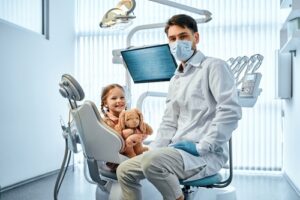
Another essential component of pediatric dentistry is routine examinations. Pediatric dentists can track a child’s jaw and tooth development with early dental appointments. Before they grow more complicated, they are able to spot possible difficulties including crowding, misalignment, or biting abnormalities. Better results are sometimes ensured by early intervention, which frequently results in simpler and less intrusive therapies. Additionally, regular dental visits help kids feel at ease at the dental office, which lowers anxiety and promotes a healthy attitude toward oral hygiene.
Tooth decay is one of the most frequent issues children dentists deal with. Childhood cavities are common and can appear quickly, particularly if a child consumes sugary snacks or beverages. Pediatric dentists treat cavities using cutting-edge methods and kid-friendly strategies, frequently choosing least invasive procedures whenever feasible. For more severe decay, restorative procedures like crowns or fillings could be required to protect and maintain the damaged tooth’s functionality.
Oral behaviors that can affect dental health are also addressed in pediatric dentistry. Common habits like thumb sucking, pacifier use, and teeth grinding might have an impact on jaw growth or tooth alignment if they persist. In order to lessen the impacts of these habits, pediatric dentists collaborate with parents to detect them early and offer advice or treatment alternatives, such as personalized mouthguards or techniques for breaking bad habits.
Pediatric dentistry prioritizes establishing a warm and stimulating atmosphere for young children in addition to providing physical treatments. To make the encounter fun, pediatric dentist offices frequently feature lively colors, whimsical décor, and kid-friendly features. Staff members and dentists are taught how to interact with kids in a way that calms anxieties and fosters trust. In addition to guaranteeing good dental appointments, this caring approach gives kids confidence in their ability to take care of their oral health.
An additional crucial component of pediatric dentistry is orthodontic examinations. Children should get a first evaluation of their orthodontic needs around the age of seven. In order to detect misaligned teeth or abnormal bite patterns, pediatric dentists collaborate closely with orthodontists. By guiding appropriate jaw and tooth development early on, such as with space maintainers or interceptive braces, more invasive orthodontic treatment may be avoided later in life.
Another crucial topic of pediatric dentistry is trauma care. Active kids are more likely to have dental injuries like broken, chipped, or knocked-out teeth, especially when playing sports or engaging in leisure activities. Pediatric dentists are prepared to manage these crises, offering timely and efficient care to restore a child’s teeth’s beauty and functionality. Additionally, they support preventative measures like mouthguards to shield young players’ teeth from harm.
Additionally, pediatric dentists are educated to handle the particular demands of kids with certain medical needs. These kids can have trouble getting dental care or keeping up their oral hygiene. Pediatric dentists provide individualized care, modifying their methods and treatment strategies to make sure these young patients have a positive and pleasant experience.
Pediatric dentistry has an impact that extends beyond oral health. Providing a solid dental foundation in childhood enhances general health and wellbeing. Prioritizing dental care from a young age is even more crucial now that research has linked oral health to systemic health. A child’s attitude toward oral cleanliness is greatly influenced by pediatric dentists, who also provide them with the skills and habits needed for long-term dental success.
To sum up, pediatric dentistry is crucial for helping kids acquire good oral hygiene practices and for treating dental problems that are unique to their developmental stage. Pediatric dentists help kids develop the self-assurance and lifelong skills necessary to keep their smiles healthy by fusing preventive care, early intervention, and a caring approach. Pediatric dentistry’s specialized care guarantees that young patients develop a healthy attitude toward oral hygiene as well as the skills necessary for lifetime dental wellbeing.
The Value of Dental Hygiene
The foundation of oral health is proper tooth cleaning, which is essential for avoiding cavities, gum disease, and other dental issues. Although brushing and flossing should be done every day, professional teeth cleanings offer a higher degree of care that is not possible at home. In addition to removing plaque and tartar, these regular dental checkups improve general health by stopping oral bacteria from spreading to other areas of the body.
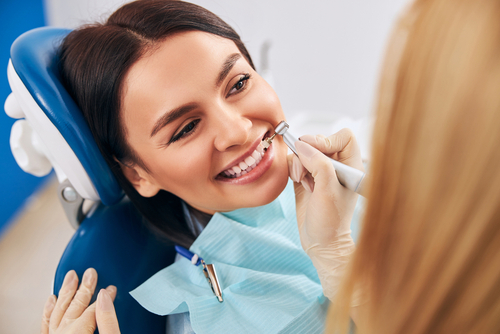
Scaling and polishing are the two main procedures used in professional teeth cleaning. Using specialized instruments, scaling eliminates plaque and tartar accumulation from tooth surfaces and the gum line. Since tartar, a hardened form of plaque, cannot be eliminated by routine brushing or flossing, this step is essential. Following scaling, polishing leaves teeth glossy and smooth while lowering the possibility of plaque future adherence to their surfaces.
Gum disease, which starts with plaque buildup at the gum line, can be avoided with regular teeth cleanings. This might result in gingivitis, which is characterized by bleeding, redness, and inflammation of the gums, if left untreated. By removing these dangerous deposits, routine cleanings assist maintain healthy gums and reduce the chance of developing periodontitis, a more severe form of gum disease that can cause bone damage and tooth loss.
Cleanings are also useful in treating halitosis, or foul breath, which is frequently brought on by germs and food particles that become lodged in difficult-to-reach places of the mouth. Professional treatments leave the mouth feeling fresh and odor-free by completely cleansing these areas. Additionally, by eliminating surface stains brought on by food, drinks, and lifestyle choices like smoking, routine cleanings can make your smile brighter.
In order to look for early indicators of dental problems like cavities, gum recession, or oral cancer, dentists or dental hygienists also do an oral examination during a teeth-cleaning appointment. Early detection of these issues enables simpler, less intrusive therapies. Patients can avoid future suffering, invasive procedures, and increased expenses by taking this preventive measure.
The majority of dentists advise scheduling teeth cleanings every six months, though the exact frequency will depend on each patient’s needs. More frequent visits, however, might be advantageous for people with particular diseases, such as diabetes, gum disease, or a history of cavities. Based on your oral health, your dentist can offer tailored advice.
Cleaning your teeth promotes general health in addition to keeping your smile looking great. Studies have demonstrated connections between systemic diseases like diabetes, heart disease, and respiratory infections and dental health. Frequent cleanings lessen the amount of bacteria in the mouth, which lowers the chance that these bacteria will enter the bloodstream and cause further health problems.
A thorough at-home oral hygiene regimen should be supplemented by professional teeth cleaning for best results. In between dental appointments, you may preserve the benefits of your cleaning and safeguard your teeth and gums by brushing at least twice a day with fluoride toothpaste, flossing every day, and using mouthwash.
In conclusion, maintaining long-term oral and general health requires regular tooth cleaning. You can lower your risk of dental and systemic health problems and enjoy a healthier, brighter smile by combining professional cleanings with healthy behaviors at home. Frequent dental checkups are an investment in your well-being that will pay you in the short and long run.
Cosmetic Dentistry for Beautiful Smile
By providing treatments that improve teeth’s beauty and functioning, cosmetic dentistry has completely changed how individuals think about their oral health. Cosmetic dentistry focuses on enhancing a smile’s appearance, whereas general dentistry aims to prevent and treat dental problems. Cosmetic procedures, ranging from modest flaw correction to full smile makeovers, can increase self-esteem and enhance the general quality of life.
Teeth whitening, which brightens discolored or stained teeth, is one of the most common cosmetic operations. Teeth may gradually lose their natural shine as a result of aging, diet, or bad habits like smoking. Safe yet effective bleaching agents are used in professional whitening procedures, which can be done in-office or with take-home kits, to restore the brightness of your teeth. Professional whitening guarantees quicker, more consistent results that are customized to each person’s needs, in contrast to over-the-counter solutions.
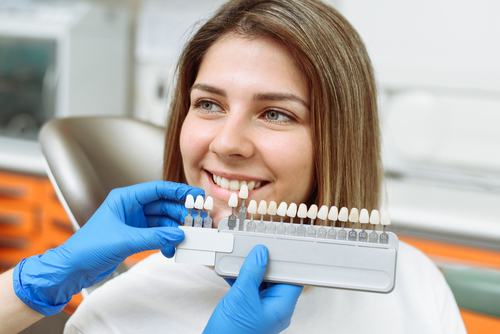
Dental veneers are another popular cosmetic procedure. Veneers are thin shells that are attached to the front of teeth and are composed of composite resin or porcelain. They can fix a number of problems, such as gaps between teeth and chipped, misaligned, or discolored teeth. Veneers, which are made to order to blend in with the surrounding teeth’s natural color and shape, provide a strong and long-lasting solution for achieving a perfect smile.
Clear aligners like Invisalign have revolutionized the way people can discreetly straighten their teeth. Clear aligners are almost undetectable and may be taken out for meals and oral hygiene, in contrast to traditional braces. A series of specially designed aligners are used in the procedure to progressively move teeth into the appropriate locations. Straighter teeth have aesthetic advantages, but they also enhance oral health by lowering the risk of gum disease and decay and improving cleaning efficiency.
Another good solution for little imperfections like tiny chips, cracks, or gaps is dental bonding. The afflicted area is covered with tooth-colored resin, which is subsequently polished and molded to mix in perfectly with the neighboring teeth. Dental bonding is a popular option for people with hectic schedules because it is a rapid, affordable treatment that is frequently finished in a single visit.
Dental implants are a revolutionary restorative and esthetic alternative for those who have lost teeth. Implants are made up of titanium posts that are surgically inserted into the mandible to serve as substitute tooth roots. A new tooth that looks and functions like the original is then created by attaching a bespoke crown on the post. Implants not only enhance appearance but also maintain bone density and stop neighboring teeth from moving.
Gum contouring is another procedure used in cosmetic dentistry that reshapes the gum line to provide a more symmetrical and balanced smile. People with uneven gumlines or a “gummy” smile are the perfect candidates for this surgery. For a natural and proportionate appearance, dentists can carefully and accurately shape the gums using cutting-edge laser technology.
A full smile makeover is an option for patients looking for a total makeover. Several cosmetic procedures are combined in this all-inclusive method to produce the best outcomes possible, customized to the patient’s objectives. Veneers, teeth whitening, crowns, or orthodontic treatments are all possible components of a smile makeover, and they are all intended to complement one another to provide a beautiful result.
Thanks to technological advancements, cosmetic dentistry is now more accessible and effective than before. Before beginning treatment, patients can preview their results using digital imaging and smile design software, ensuring that their expectations are met. Contemporary materials, such composite resin and porcelain, remarkably replicate the look of real teeth, producing results that are both long-lasting and aesthetically pleasing.
Cosmetic dentistry can have significant psychological effects in addition to its aesthetic advantages. A self-assured smile can boost one’s self-esteem, facilitate social interactions, and even lead to opportunities in the workplace. The transformative power of a gorgeous smile is demonstrated by the numerous patients who report feeling more confident and gregarious following their cosmetic procedures.
To sum up, cosmetic dentistry provides a range of procedures aimed at improving the appearance and functionality of your teeth. These operations can help you have the self-assured smile of your dreams, whether your goals are to straighten your teeth, brighten your smile, or fix defects. You can change your smile and reap the rewards of better appearance and general health with the help of a qualified cosmetic dentist.
A Complete Guide to Gum Care
Despite having a direct effect on overall tooth health, gum health is an important but frequently disregarded aspect of oral care. Gums that are in good health operate as a barrier against dangerous microorganisms, support teeth, and preserve bone integrity. Untreated gum disease can result in tooth loss, periodontal disease, and even systemic health issues. Thankfully, there are a number of procedures available in contemporary dentistry to treat gum disease and improve dental health.
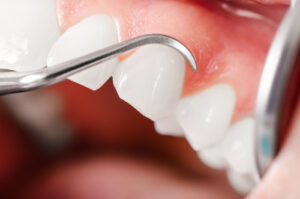
Gum redness, swelling, and bleeding are common signs of gingivitis, the initial stage of gum disease. Plaque accumulation, a sticky layer of germs that develops on teeth, is the main cause of it. The problem can be made worse by smoking, poor dental hygiene, some drugs, and underlying medical conditions including diabetes. The good news is that gingivitis can be reversed with prompt treatment, which usually entails better daily oral hygiene practices and professional cleanings.
Periodontitis, a more serious kind of gum disease, can arise from gingivitis as it worsens. The connective tissue and bone that support teeth in place are among the deeper gum structures that are impacted by periodontitis. Gum recession, loose teeth, foul breath, and pockets developing between teeth and gums are some of the symptoms. Significant bone loss from advanced periodontitis may necessitate costly dental operations to restore both function and appearance.
Professional dental cleaning, which eliminates plaque and tartar that are impossible to remove with routine brushing and flossing, is the cornerstone of gum care. Gingivitis can be successfully reversed in mild cases with a thorough cleaning and better at-home oral hygiene. However, scaling and root planing could be required for more serious gum problems. In order to stop plaque buildup in the future, this deep cleaning method smoothes the root surfaces and targets microorganisms beneath the gum line. The initial line of treatment for periodontitis is frequently scaling and root planing, which is carried out under local anesthetic.
In situations where gum disease has progressed considerably, surgery can be necessary. For example, flap surgery includes suturing the gums back into place for improved attachment after raising them to remove tartar deposits. Additional surgical treatments for repairing periodontitis-related damage include bone and soft tissue grafts. Soft tissue grafts aid in the restoration of receding gumlines, while bone grafts use natural or synthetic materials to replace missing bone. These operations enhance the smile’s overall attractiveness in addition to improving dental health.
Another cutting-edge method of treating gum disease is laser therapy. By employing focused laser energy to eliminate germs and sick tissue while encouraging gum tissue recovery, it provides a less intrusive option to standard surgery. Many patients find laser therapy to be an intriguing alternative to tra
ditional procedures since it minimizes discomfort, bleeding, and recovery time.
Gum health depends on a strict at-home oral hygiene regimen in addition to expert treatments. Gum disease risk can be decreased by using an antimicrobial mouthwash, flossing every day, and brushing at least twice a day with fluoride toothpaste. Because they enable dentists to track gum health and treat problems early, routine dental examinations and cleanings are equally crucial.
Gum health is also influenced by diet. Gums can be strengthened and inflammation reduced by eating a balanced diet high in antioxidants, calcium, and vitamins C and D. Avoiding meals that cause plaque to build, such as those that are acidic or sweet, is equally important. Another important component is staying hydrated, which supports saliva flow, which naturally cleans the mouth and destroys dangerous bacteria.
Proactive steps are especially more important for people who are more susceptible to gum disease, such as smokers or people with specific medical disorders. Gum disease risk can be considerably decreased by giving up smoking, controlling long-term medical disorders, and lowering stress. Using water flossers, interdental brushes, or other specialist equipment can also improve oral hygiene.
To sum up, gum therapy includes a variety of non-surgical, surgical, and preventive approaches that are customized to meet the needs of each patient. Timely intervention is essential to maintaining dental health and avoiding long-term consequences, whether treating advanced periodontitis or early-stage gingivitis. People can keep healthy gums and have confident smiles for the rest of their lives by combining expert dental care with conscientious at-home procedures. The cornerstones for preventing gum disease and guaranteeing ideal gum health are routine dental checkups, a nutritious diet, and good oral hygiene practices.